Do You Need the Sink Again in Spanish
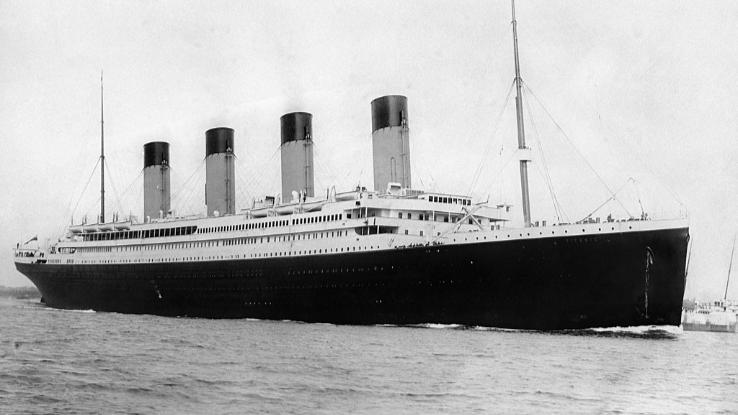
People have always been fascinated by the tragic fate of the RMS Titanic. Since the moment the earth learned the ship sank on April 15, 1912, on its maiden voyage, people accept wondered how the supposedly "unsinkable" ship failed to survive a single journeying.
Recent prove suggests there might be a hidden story backside the sinking of the historic send. Newly discovered photographs provide insight into the tragedy and hint that maybe it could have been prevented birthday.
The Unsinkable Ship
Prior to 1912, nothing like the RMS Titanic had ever existed. The first super-cruise liner, the Titanic was nicknamed "Queen of the Ocean" and was said to be one of the great wonders of the world. Everyone knew the ship was important.
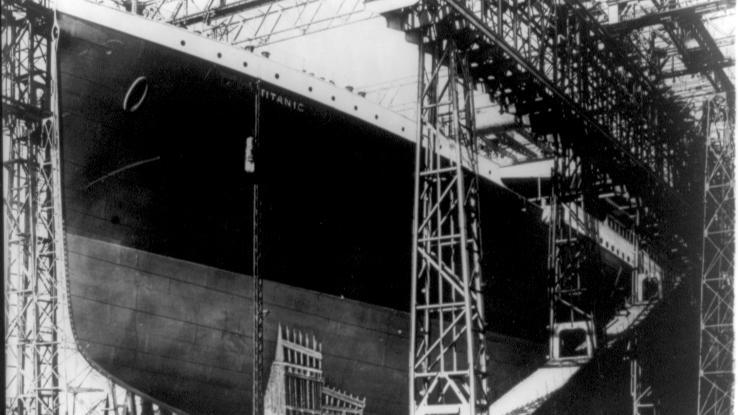
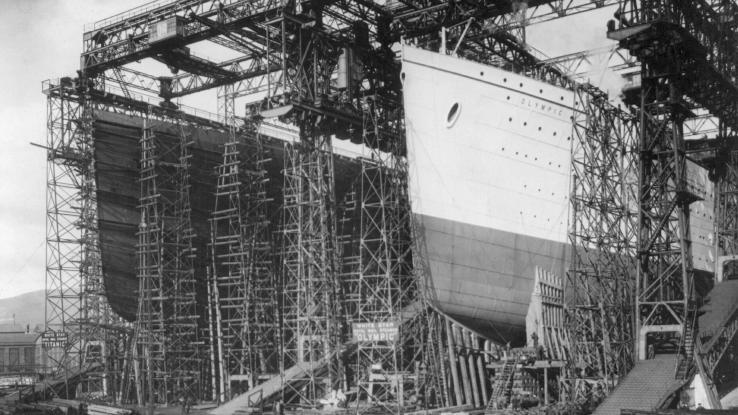
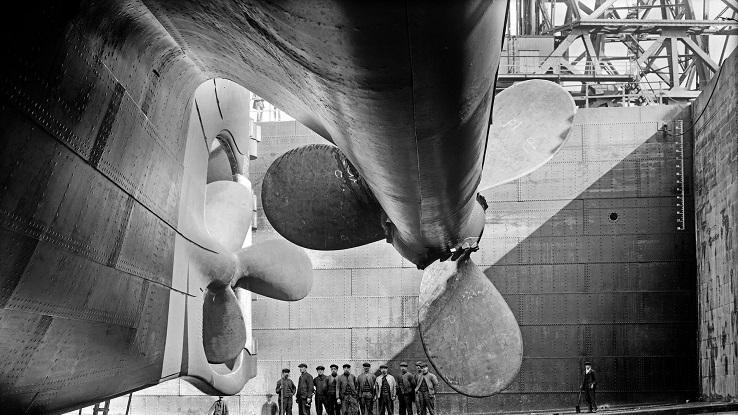
The Titanic was so big that a new shipyard had to exist congenital in Belfast, Ireland, to requite construction crews room to build information technology. The space was the birthplace of both the RMS Titanic and her sister transport, the RMS Olympic. Of course, it'due south difficult to build large, cumbersome ships, and it'south also incredibly expensive.
Competing to Exist the Best
In the early 1900s, shipping companies competed in several transatlantic shipping wars. White Star Line chairman and managing managing director J. Bruce Ismay knew the company's new ship would assistance turn his company around, but he struggled to stay ahead of his savage competitors.
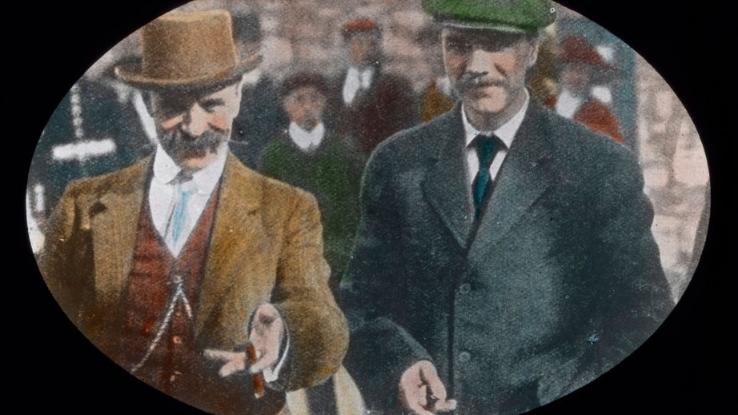
Principal rivals, including Cunard Line, advertised their ships as the nearly luxuriant sea liners in the earth. Ismay fought back, knowing the Titanic would be fifty-fifty faster and more lavish. He might accept been correct, but at that place were drawbacks to having the near lavish ship in the world.
The Dreaded Upkeep Cuts
Principal designer Thomas Andrews began the construction and pattern of the RMS Titanic when Ismay delivered the news Andrews had been dreading: budget cuts. Cost factors forced Ismay to demand significant changes that entirely inverse the ship'due south building standards.
The White Star Line was losing money quickly, and Ismay wanted the Titanic to exist luxurious on the inside but cost as little equally possible to build. Andrews fought dorsum, insisting there were corners Ismay couldn't cut, including steel quality and the number of lifeboats (ultimately a critical factor). If Ismay had listened, the Titanic's voyage could take ended much differently.
More and More Strikes
During the completion of the RMS Titanic, the United Kingdom experienced a fierce coal strike. The National Coal Strike of 1912 involved thousands of workers fighting against unfair wages. As coal stocks plummeted, so did the workers' wages.
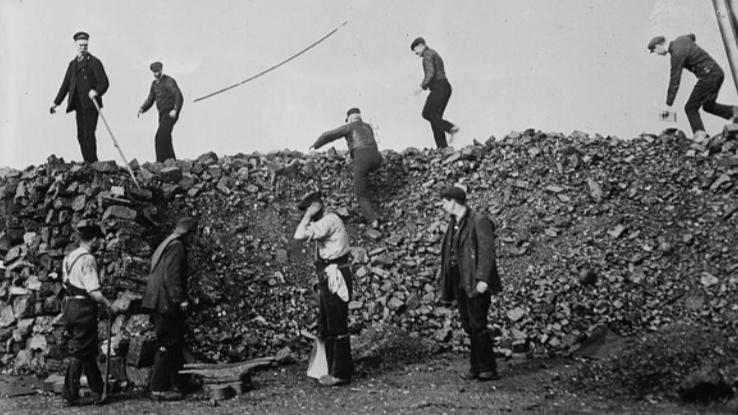
Due to the strike, the White Star Line felt pressured. The Titanic had to be completed, and Ismay'south pressures mounted. The strike affected his budget plans, and he had to cut more corners. The price of coal was chop-chop on the rise, and this ultimately affected the ship's construction.
Nigh the Ship's Coal
Coal was vital to the part of the RMS Titanic, and with the National Coal Strike of 1912 driving up prices, Ismay'south already tight budget hovered on the brink of disaster. The 2017 documentary Titanic: The New Evidence suggests that a major contributing factor to the sinking of the Titanic was fuel shortage.
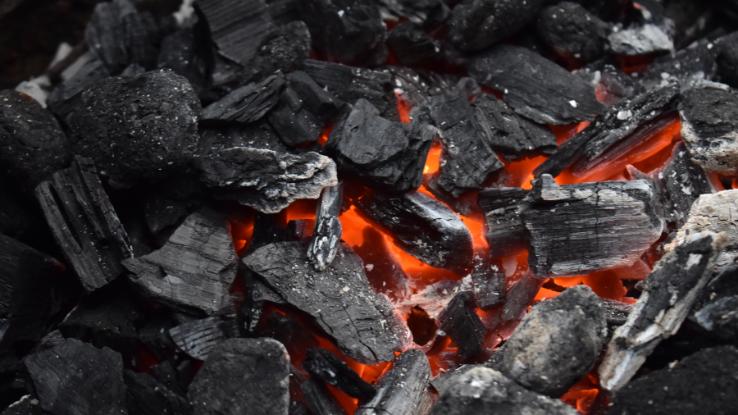
The documentary claims that the ship sailed on at loftier speed in an iceberg field because slowing downward and speeding back up would accept used too much fuel. Changing speeds required more coal than running at a continuous speed.
Foreshadowing the Disaster
People should have realized the RMS Titanic wasn't unsinkable after her sister ship, the RMS Olympic, struck the Majestic Navy's HMS Militarist in September 1911. The Militarist left a gaping hole in the Olympic's bow and cracks beyond the puncture. The send's steel was substandard, and the design was poorly constructed.
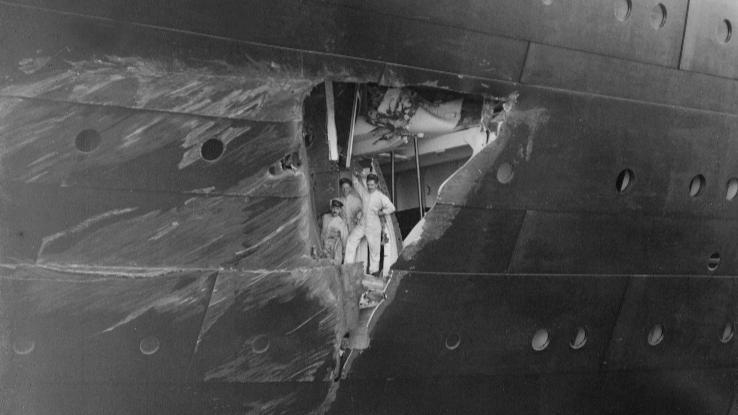
Did Ismay care virtually this? No. When steelworkers advised him to use special steel for the construction of the Titanic, he responded haughtily that "ordinary" steel would suffice. Unfortunately, Ismay was proven wrong 7 months later in April 1912.
Newly Discovered Photos Revealed Something Striking
Passengers didn't know they were boarding a poorly synthetic send when they prepared to sail beyond the Atlantic Ocean to the United States. It'southward shocking to larn the RMS Titanic had faulty materials, but it's fifty-fifty more shocking to acquire what happened inside the transport during her maiden voyage.
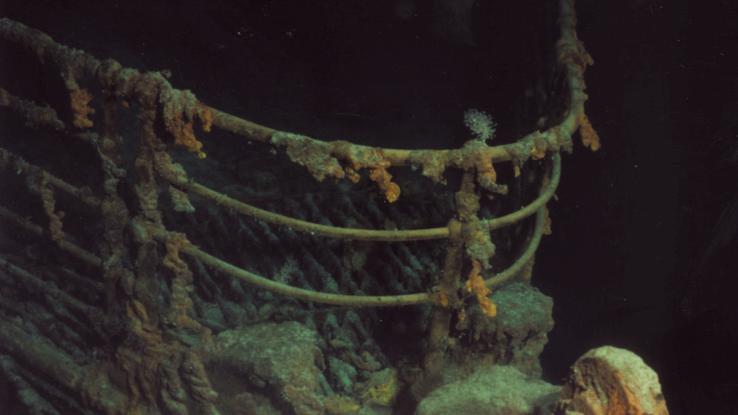
In 2017, a photo anthology was discovered that had never-earlier-seen photographs of the Titanic before its maiden voyage. Titanic good Senan Molony called the photos "the Titanic equivalent of Male monarch Tutankhamun's tomb." Molony revealed some facts that could modify the ship's history: People should have known the ship was going to sink.
The Noticeable Mark
When RMS Titanic enthusiast Steve Raffield commencement purchased the photo anthology, he never expected the photos would contain a striking clue to solve the mystery of why the send sank so apace. Nonetheless, when Senan Molony reviewed the photos, it became articulate that something was odd in one of the photographs.
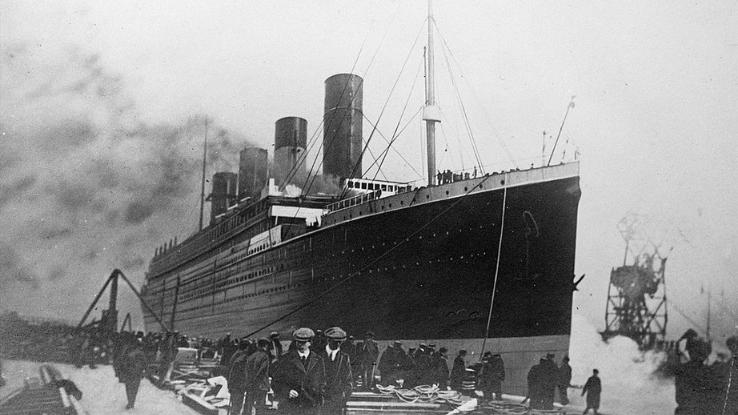
Upon further inspection, Raffield realized there was a thirty-foot scorch mark on the transport's hull. Several photos revealed the aforementioned noticeable mark in the aforementioned spot, hovering over the position of 1 of the boilers. The burn was created from inside the ship.
A Fire on the Titanic
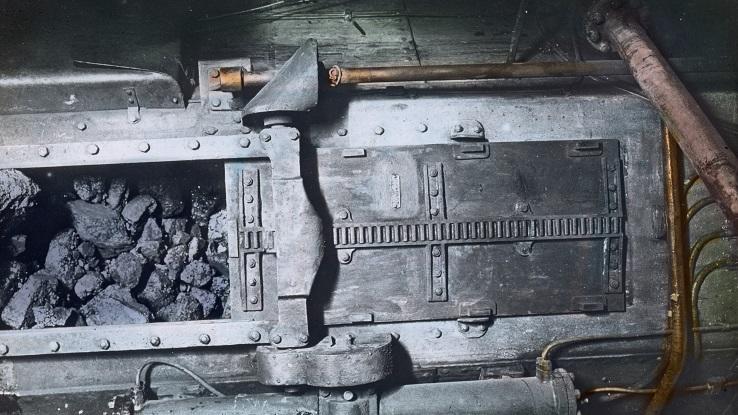
You probably had no idea there was a fire on the RMS Titanic. Many historians didn't know either — merely the company did. Because the Titanic was a massive ship, the coal bunkers were enormous — nigh iii stories loftier — and held one.5 tons of coal. However, this wasn't the result.
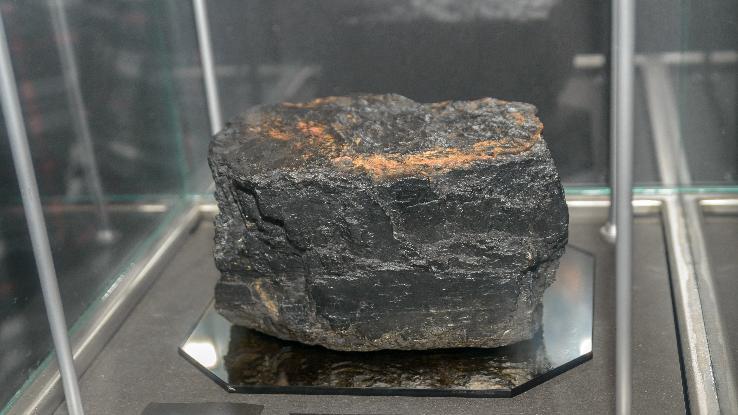
The problem occurred when the coal was stored. Something heated the reserve, and the coal caught fire. The coal on the send began to burn outside the boilers, called-for the ship from the within. Of course, you would wait them to be able to put the fire out, but that wasn't the case.
Sailing While on Fire
The Titanic was a doomed send earlier information technology set sail on Apr x, 1912. When the coal caught on fire in the coal bunkers, the crew attempted to deal with it internally and didn't inform anyone exterior of the company until the official enquiry in 1912. They did non solve the consequence.
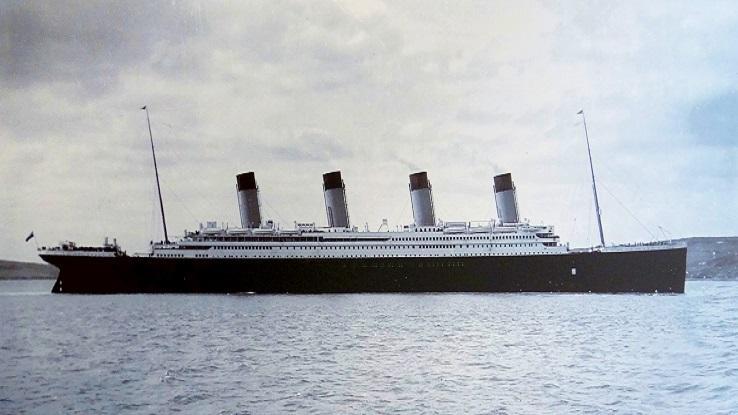
John Dilley, an engine room worker, saw the fire, and his accounts of the attempt to control it are chilling. He reported, "At that place were hundreds of tons of coal stored there. We fabricated no headway confronting it…we didn't get the burn down out…from the twenty-four hours we sailed, the Titanic was on fire…"
Fighting the Fire
11 men tried their best to gainsay the coal bunker fire, but nothing could be done. The fire connected to burn as the RMS Titanic departed from its port in Belfast and sailed to Southampton, where two,200 eager passengers were fix to board the ship. None of the passengers knew there was a fire.
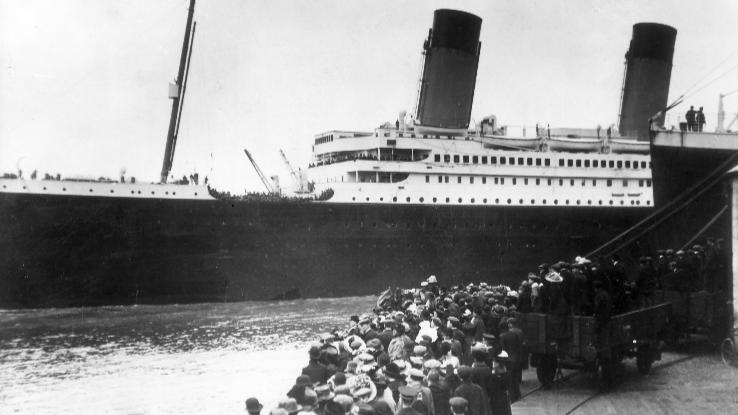
Ismay knew that if people heard most the fire, they would refuse to sail, and his reputation — and his company — would exist destroyed. With that in heed, he refused to allow whatever delays. The Titanic was expected to set sail on Apr x, 1912, and nothing would change that — fire or no fire.
The Luxury Interior Designs
The RMS Titanic is known for beingness one of the most lavish and luxurious ocean liners in history. Ismay made certain his ship featured expensive luxurious interior designs and spacious rooms for the ship's commencement-class passengers. It was a matter of "go big or become home."
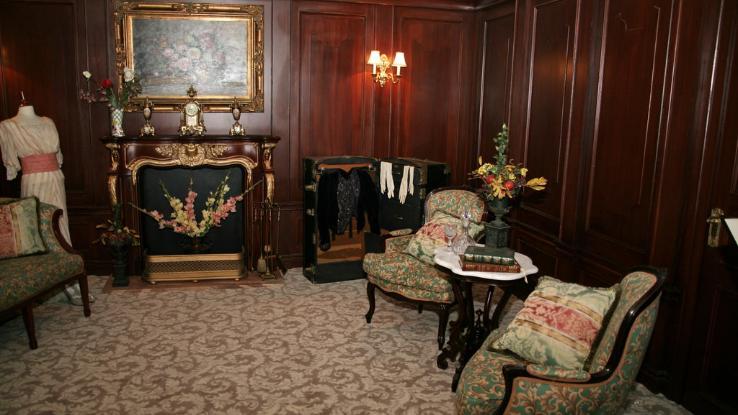
A showtime-grade ticket on the Titanic cost up to $two,560, which is the equivalent of $61,000 in 2019. Can y'all imagine spending $61,000 to travel on a ship today? First-grade passengers were spoiled with three-sleeping accommodation suites with two wardrobe rooms, a bath and a drawing room.
Fine Dining
The 1997 film depicts the dining room on the Titanic equally a lavish spectacle for the wealthy. This was an authentic delineation. In 2012, a rare dinner menu from the ocean liner sold at auction for $160,450. Additionally, a lunch menu sold for $102,000.
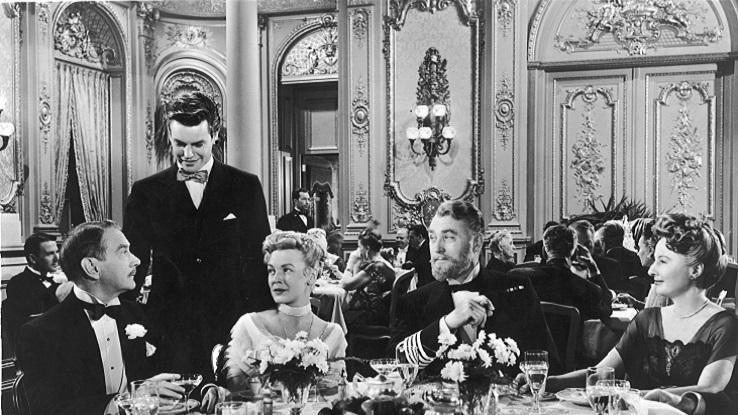
Splendid passengers dined on foie gras-stuffed eggs (fancy deviled eggs), turtle soup and Sussex capon (a brood of chicken). The dinner menu featured 10 options, including oysters, salmon, craven, lamb, duckling, squab and beef. It's safe to say the wealthy were well-fed before the ship sank on its maiden voyage.
Thinking of Coal Differently
How is the fire in the coal bunkers relevant to the sinking of the RMS Titanic? The bounding main liner sank because information technology struck an iceberg, but that was just one part of a larger problem.
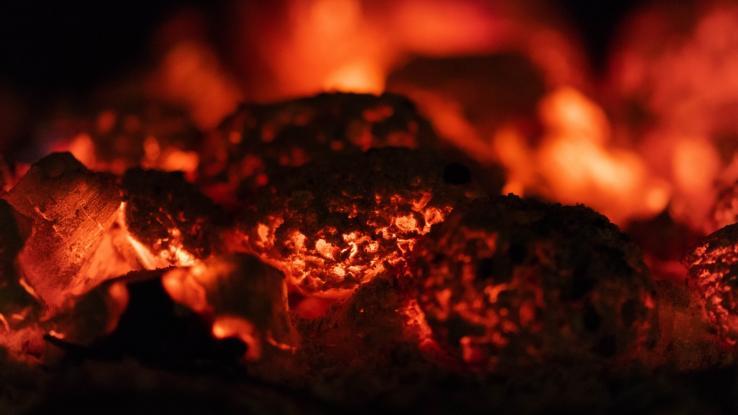
Senan Molony asked, "What kind of damage could an internal fire exercise?" The respond is the burn down acquired a lot of harm. Molony spoke to fire science skillful Guillermo Rein to figure out the extent of the damage. Rein had a simple, chilling answer: The coal was on fire for several days before anyone institute the flame, and it would take been impossible to terminate.
Information technology Was As well Late
Rein explained that the coal could have been on fire for days, if non weeks, before the ship left for Southampton. The oestrus was trapped in a bed of coal and spread, merely information technology would take taken days for someone to notice because the fire didn't smoke right away.
By the time someone noticed the fire, it was too tardily. Rein revealed that one time a coal burn starts to fire, it'south close to impossible to put information technology out. The fires burned anywhere from 1,000-2,000 degrees Fahrenheit — the equivalent of molten lava. That kind of heat melts metal, including Titanic's steel hull.
Weakening the Metal
The RMS Titanic'south bunker was in one of the ship's bulkheads — a watertight compartment. If the transport took on water, the water was supposed to just fill up in the designated compartment. However, with the bunker burning at 1,000-2,000 degrees Fahrenheit, that created some complications.
The heat from the fire caused the metallic to become brittle and weak. It could non withstand an impact and became very prone to shattering. If the bulkheads leading to the boiler room were damaged (they were), nix could have protected the furnaces. The Titanic didn't have luck on her side right from the beginning.
Still Burning
When the RMS Titanic departed from Southampton, the fire was still burning in the coal bunker, but passengers had no idea there was a fire onboard the transport. Imagine sailing on a luxury body of water liner, completely oblivious to something and then dangerous. The burn down warped the metallic around the send'due south boiler room bulkheads, and no corporeality of help stopped the fire.
The bulkhead looked like a buckled moving ridge of metal, and a hole developed between the welding seams of the water-tight compartment. Crew members made a patch to repair it and crossed their fingers that the Titanic would brand it to its destination.
Adding More than Coal
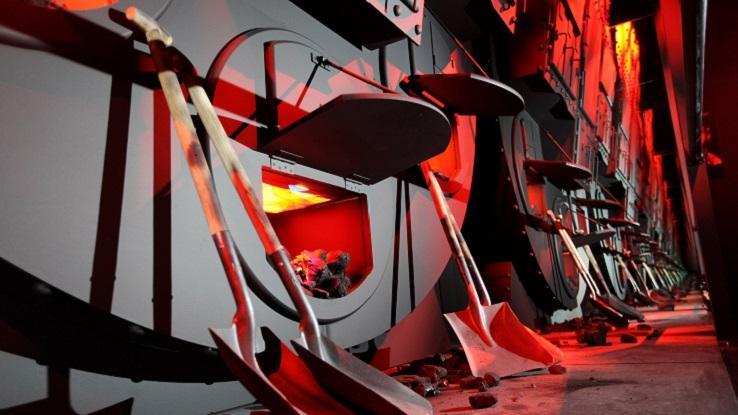
Furnace workers knew they had to lessen the coal fire, so they devised what they thought was the best solution: shovel away the coal. They fed the furnace with the shoveled coal, which continuously increased the ship's speed. If passengers felt the increased speed, it wasn't their imagination.
The Titanic raced across the Atlantic Ocean at top speed (23 knots) to go to New York City before the burn down caused also much damage to repair. Unfortunately, the send was speeding straight into an iceberg field, and it was only a matter of time before the inevitable happened.
Iceberg, Dead Ahead!
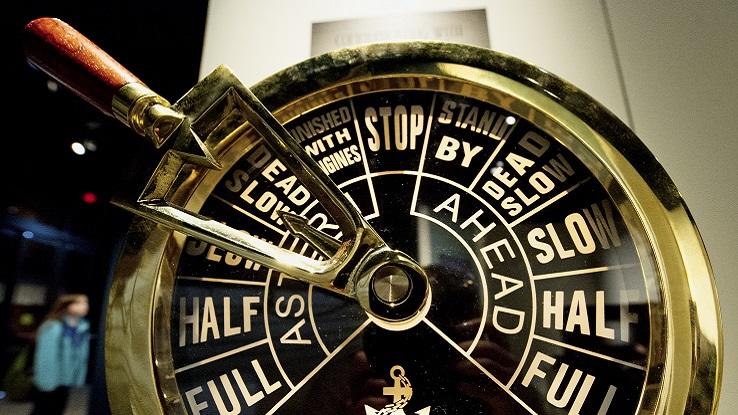
The RMS Titanic received several warnings of icebergs prior to the disastrous iceberg hitting the transport, but Captain Edward John Smith chose to ignore the warnings and maintain the ship's loftier speed. The Titanic was unsinkable, after all.
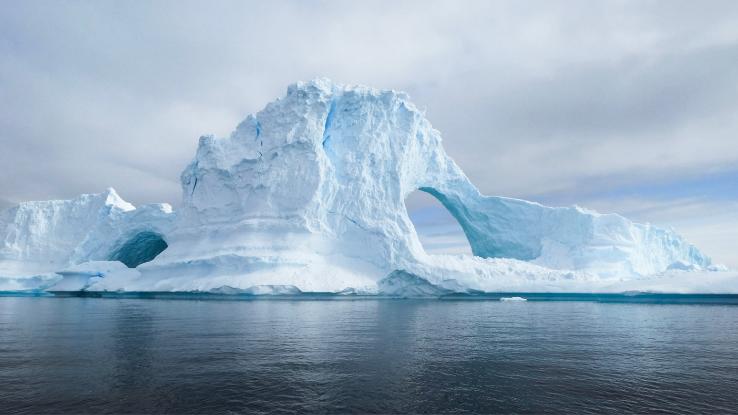
When the Titanic closed in on the blighted iceberg, crew members tried their best to navigate the send effectually information technology. It was considered to be a better pick than slowing down and called-for through whatever coal reserves the ship had left. Was this the all-time determination? Obviously not.
The Unsinkable Send…Sank
On April fourteen, 1912, four days into her maiden voyage, the RMS Titanic collided with an iceberg 400 miles off the coast of Newfoundland. The ship sank incredibly speedily, in simply 2 hours and twoscore minutes in the wee hours of April fifteen. Out of the send's two,200 passengers, only 706 people survived.
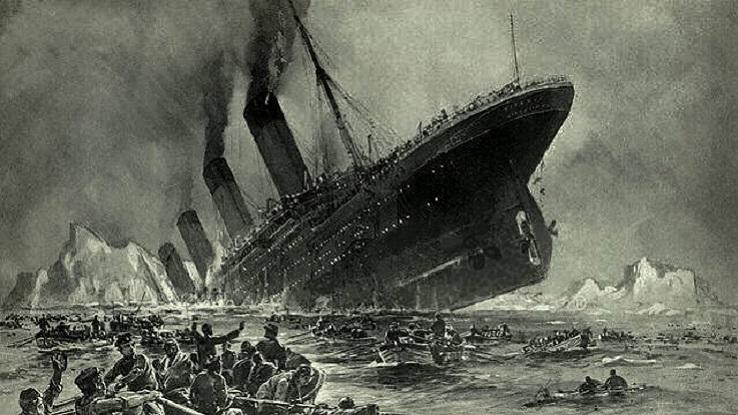
Everyone knows the Titanic sank considering of the iceberg, only almost don't know the transport sank much faster due to the burn down onboard. The iceberg struck the starboard side of the transport and scraped along the hull. Water speedily filled the h2o compartments of the send and put pressure level on the weakened steel.
The Patch Failed
Coiffure members on the RMS Titanic had repaired the hole in the water-tight compartment past patching it. When the iceberg struck the transport, water strained the weak steel. When water reached the engine room, the patch held equally long as it could only ultimately failed.
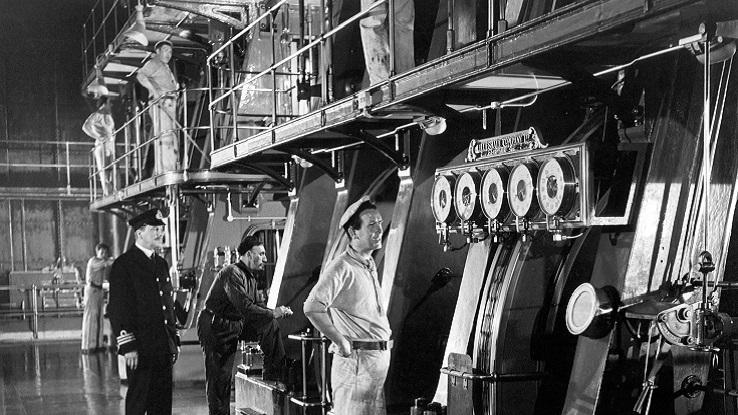
Waves breached the last stronghold of the ship's walls, and the ice-cold water of the Atlantic Ocean began to flood the engine room. It filled the compartment at an alarming rate, and no one knew what to practice side by side. According to Senan Molony, the Titanic could have survived the iceberg standoff under normal circumstances.
Needing More Time
Senan Molony observed that if the bulkhead held, the RMS Titanic could have stayed adrift for double the amount of time. That would take provided plenty time for the RMS Carpathia to receive the SOS and arrive to salvage thousands of lives. Almost all the passengers could have survived the disaster and lived happily ever afterward.
The sinking of the Titanic shocked and devastated the world. The man responsible for many of the complications encountered on the Titanic, J. Bruce Ismay, survived the disaster.
About the Trial
When Ismay arrived in the United States, he faced another challenge: a lengthy investigation and court trial. He was scared of the effect, and then he sent a telegram ordering all the hired firemen who worked on the RMS Titanic to scatter inland. He made certain they weren't questioned for the court trial.
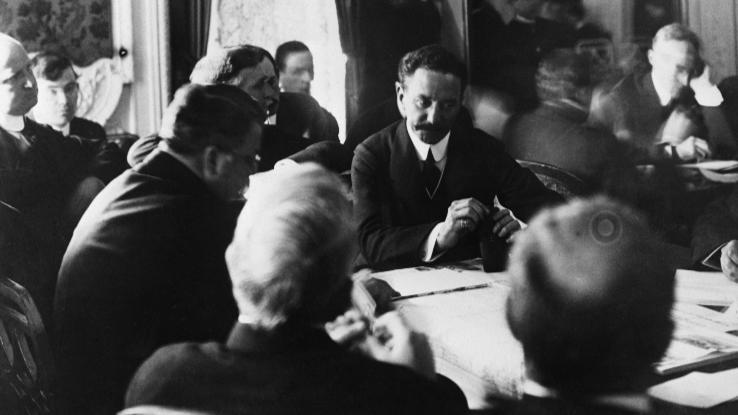
Fifty-fifty worse, during the trial, Ismay said that all the firemen had perished in the Atlantic Ocean. Information technology seemed like a smart thought at the fourth dimension, but what happened next probably wasn't part of the programme. The case wasn't treated like other trials.
Dismissing the Instance
The high court judge over the trial, John Charles Bigham (besides known as Lord Mersey), eventually learned that a coal fire was called-for below the decks of the RMS Titanic when the ship sailed. Lord Mersey overlooked the evidence, proverb information technology was irrelevant to the trial and proceeded with the instance.
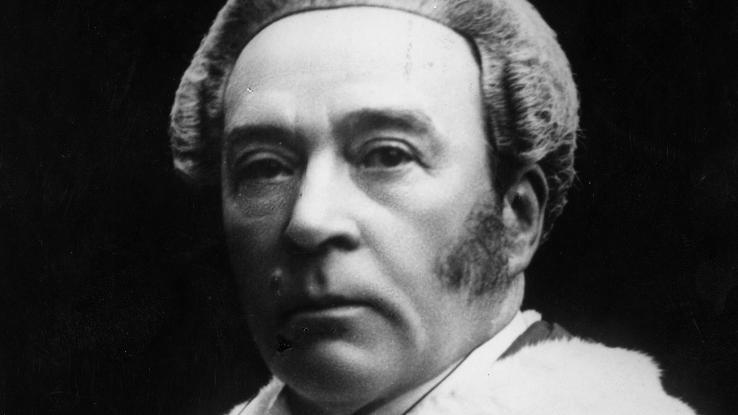
More evidence revealed that 160 firemen were hired to work on the Titanic'southward voyage, just only eight stayed on. The bulk of the men saw the fire and gave upwardly without even trying. Notwithstanding, Lord Mersey dismissed the fire as irrelevant in the disaster, which infuriated many people.
Discovering New Details
Lord Mersey concluded the sole reason the RMS Titanic sank was due to excessive speed and collision with the iceberg. The case was closed, and Mersey'due south determination ready the tone for how people interpreted the history of the send for decades to come.
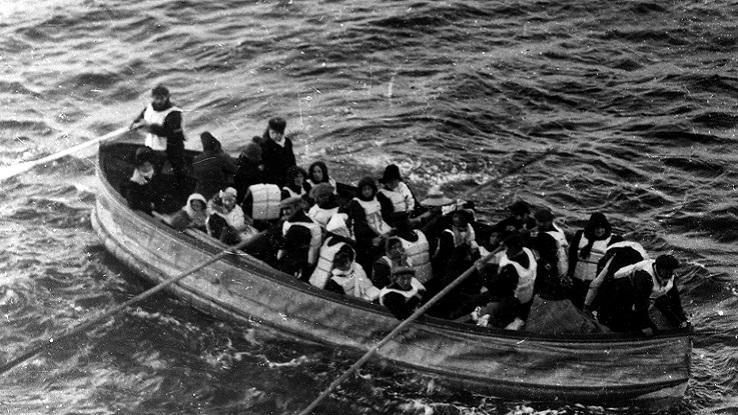
And so, the long-lost photos were discovered. Upon reviewing new bear witness most the fire, budget cuts and events leading upward to the sinking, Senan Molony was left with many questions about the ship he idea he knew. Could he solve the mysteries?
An Accidental Sinking
To many people, it's unbelievable that the sinking of the Titanic was caused by anything other than the iceberg. How could the coal burn be disregarded for decades? This bear witness is vital to understanding the tragedy.
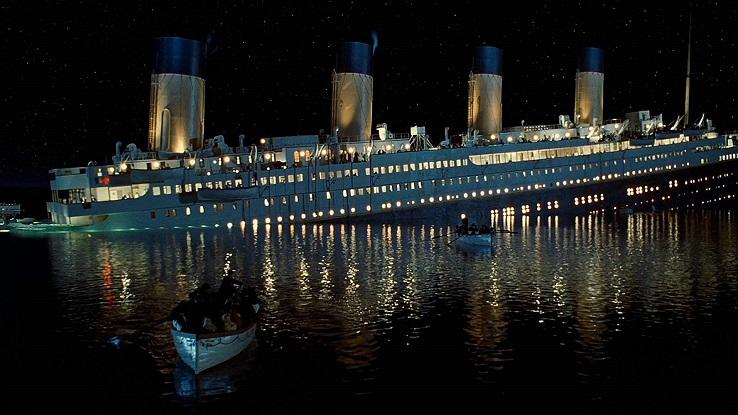
White Star Line suffered repercussions from the sinking, even though Ismay's court case was dismissed. The majority of the survivors were upper-class passengers, and they filed for compensation from White Star Line due to loss of life and property. For example, Charlotte Drake Cardeza filed for the loss of her wardrobe, worth an estimated $177,000 — approximately $four.two one thousand thousand in 2019.
All of Ismay'southward Mistakes
Ismay knew the RMS Titanic was at run a risk, just he didn't want to lose his money. Instead, he chose to risk the lives of more than two,200 men, women and children to save the White Star Line. He left the send vulnerable to the burn and the iceberg to salvage his company and his personal wealth.
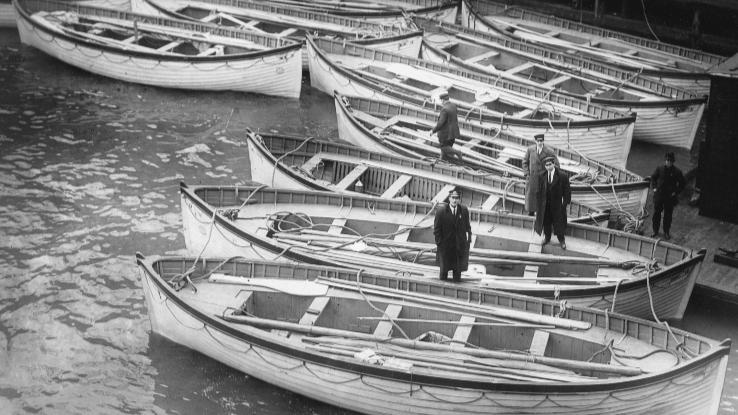
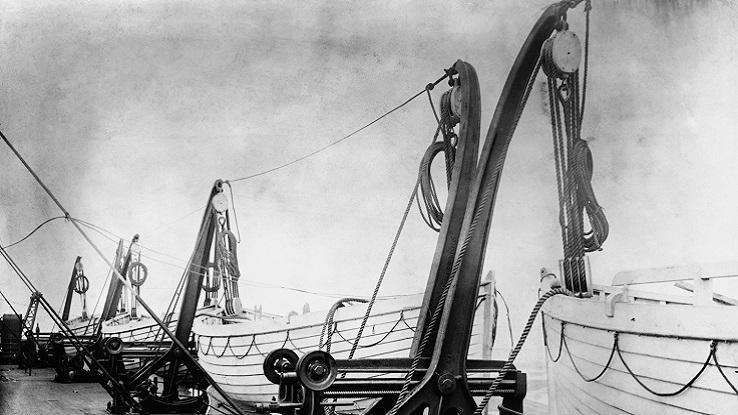
Not just did Ismay cut corners on the metal used to construct the ship and the fuel, but he also cut back on the number of lifeboats onboard. Information technology was one of the most terrible decisions he made, leaving hundreds of passengers without a means of escape.
They Should Accept Known Better
Historians at present know that the RMS Titanic was doomed from the very beginning. Coiffure members should have known the ship could sink after seeing the results of the RMS Olympic'southward collision. It should have served as a warning, and designers should have sent the ship back to the harbor for repairs.
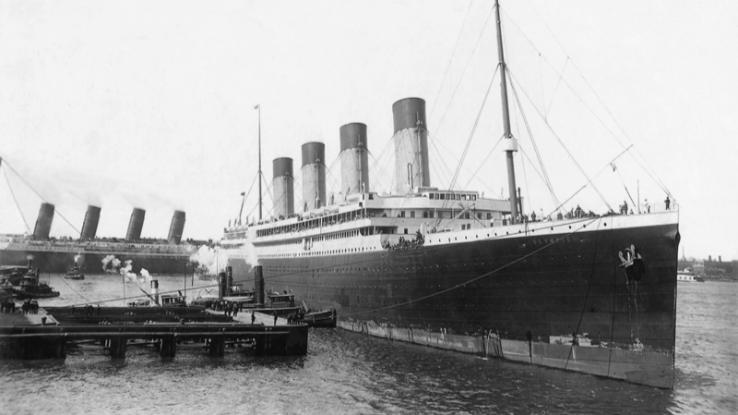
The White Star Line was on the verge of defalcation, and Ismay couldn't allow that happen. The detailed laws that be for cruise ships today are the one argent lining that came from the historic sinking.
Lessons Learned
Since the 1912 sinking of the Titanic, a lot of changes have occurred related to maritime safety. 1 regulation requires stricter water ice patrols in the Northward Atlantic Ocean. Onboard radios were also introduced (the Titanic used Morse code). Other rules require crew members to continually monitor radios in case of an emergency.
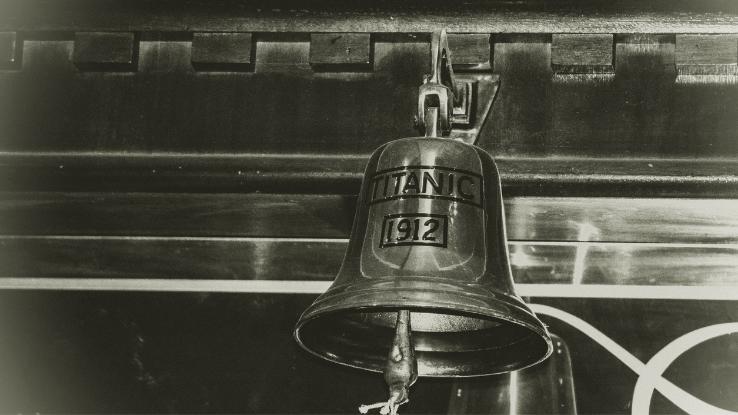
In 1914, two years after the Titanic sank, the International Convention for the Safety of Life at Sea was formed, creating a unified maritime standard. In 1915, it was mandated that every ocean liner have enough lifeboats to safely rescue all passengers.
Did They Acquire Their Lesson?
Overall, the sinking of the RMS Titanic was tragic. Many of her passengers were looking forward to starting a new life in the United States. Instead, they froze to death or drowned in the Atlantic Ocean's frigid waters.
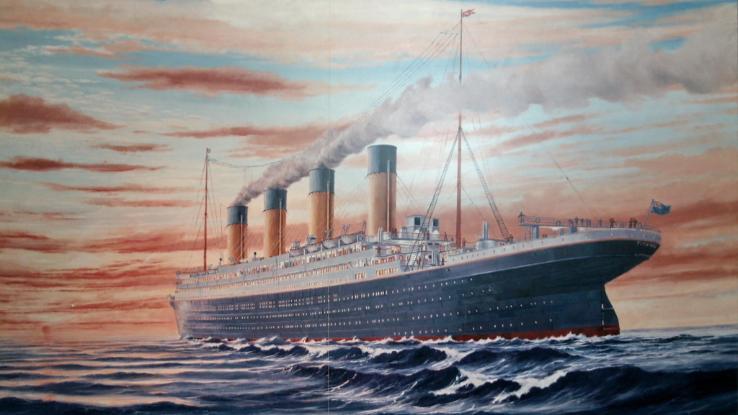
Yous can't modify the by, simply at present historians know more about the unsinkable ship and the fire that contributed to its demise. How different things could have been if the fire never happened. Fortunately, companies learned some harsh lessons from the sinking and fabricated much-needed improvements to ships and maritime laws.
Source: https://www.ask.com/culture/surprising-factor-behind-titanic-sinking?utm_content=params%3Ao%3D740004%26ad%3DdirN%26qo%3DserpIndex
0 Response to "Do You Need the Sink Again in Spanish"
Post a Comment